Solar energy is one of the smartest investments for homeowners. It helps reduce electricity bills, provides clean and renewable power, and increases the value of your property.
Solar energy is one of the smartest investments for homeowners. It helps reduce electricity bills, provides clean and renewable power, and increases the value of your property. Whether you're planning to install solar panels, solar lighting, or a solar water heater, switching to solar is an environmentally friendly and cost-effective choice.
**Why Choose Solar Energy?**
Solar systems use sunlight to generate electricity or heat water, requiring very little maintenance and providing reliable performance for many years. Key benefits: lower electricity bills, clean and renewable energy, reduced carbon emissions, low maintenance costs, long system lifespan (20–25 years), increased property value, and government incentives available in many regions.
**Solar Panel Installation**
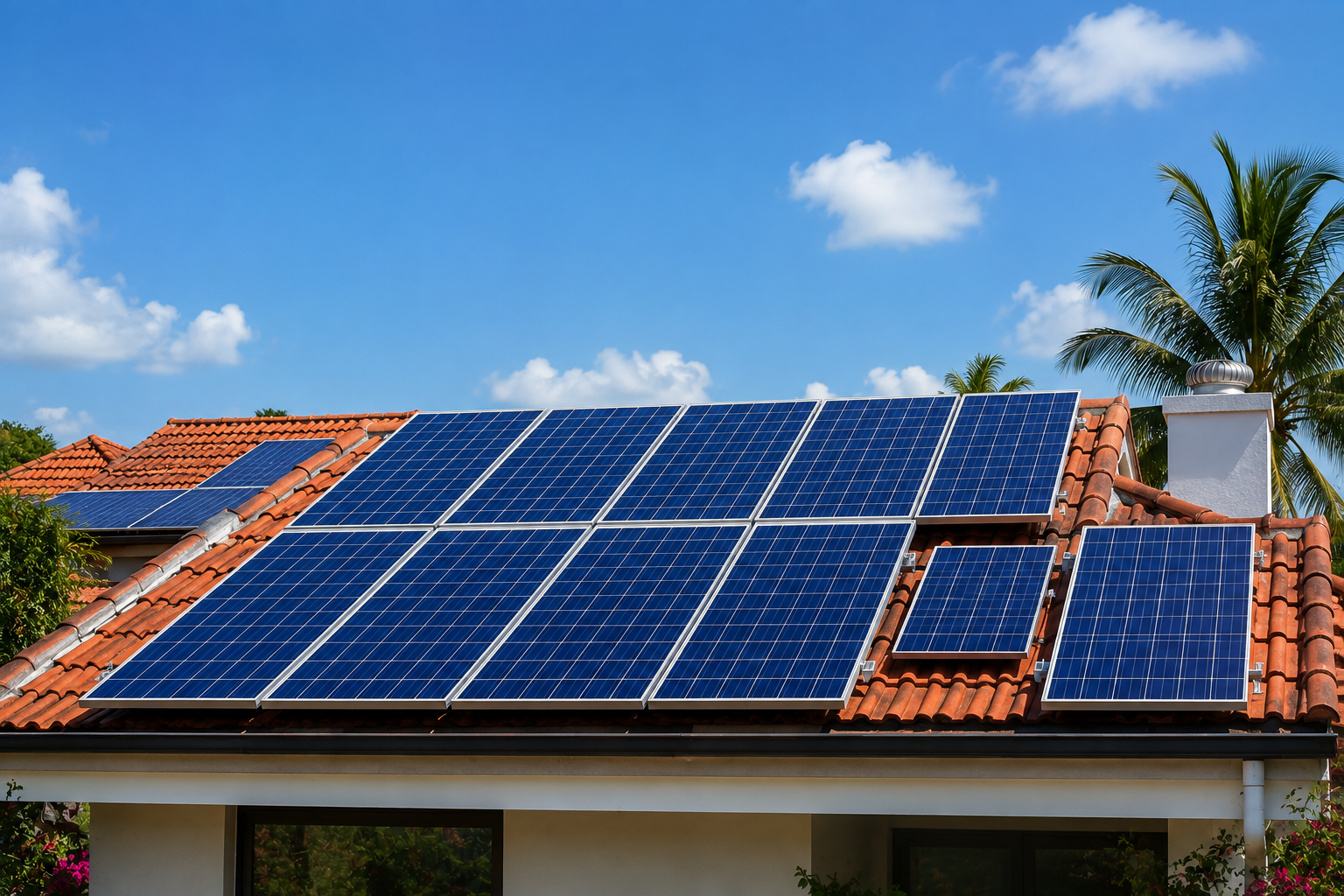
Solar photovoltaic (PV) panels convert sunlight into electricity. Benefits include reduced monthly electricity costs, clean energy generation, reliable long-term performance, and the ability to power lights, fans, appliances, and air conditioners. Best locations: rooftops, open terraces, commercial buildings, and farmhouses.
**Solar Lighting**
Solar lights use built-in solar panels to charge batteries during the day and automatically illuminate at night. Common applications include garden lighting, pathway lighting, street lights, parking areas, and outdoor security lighting. Advantages: no electricity bills, automatic operation, easy installation, and low maintenance.
**Solar Water Heater**
A solar water heater uses sunlight to heat water for daily household use. Common uses include bathrooms, kitchens, hotels, hospitals, apartments, and hostels. Benefits: saves electricity and gas, hot water throughout the year, low operating costs, and long service life.
**Types of Solar Systems**
*On-Grid Solar System:* Connected to the electricity grid. Best for homes with regular grid power for maximum savings on electricity bills.
*Off-Grid Solar System:* Uses batteries to store electricity. Best for rural areas, locations with frequent power cuts, and remote properties.
*Hybrid Solar System:* Combines grid power with battery backup for continuous power supply, reduced electricity bills, and backup during outages.
**How to Plan Your Solar Installation**
Assess your energy needs by reviewing monthly electricity bills. Check roof suitability — adequate sunlight, minimal shade, strong structure, and sufficient installation space. Choose quality equipment — high-efficiency solar panels, reliable inverters, durable mounting structures, and long warranties. Hire certified installers who conduct proper site surveys and follow safety standards.
**Maintenance Tips**
Clean solar panels every few weeks, remove dust and bird droppings, inspect wiring and mounting structures annually, and schedule regular system health checks.
**Frequently Asked Questions**
*How long do solar panels last?* Most quality solar panels have a lifespan of 20–25 years with proper maintenance.
*Can solar panels work on cloudy days?* Yes. Solar panels still generate electricity on cloudy days, although output is lower than on bright sunny days.
*Is a solar water heater worth installing?* Yes. A solar water heater can significantly reduce electricity or gas consumption for heating water.
*How often should solar panels be cleaned?* Cleaning every 1–3 months, or more frequently in dusty areas, helps maintain efficient performance.
**Why Choose Solar Energy?**
Solar systems use sunlight to generate electricity or heat water, requiring very little maintenance and providing reliable performance for many years. Key benefits: lower electricity bills, clean and renewable energy, reduced carbon emissions, low maintenance costs, long system lifespan (20–25 years), increased property value, and government incentives available in many regions.
**Solar Panel Installation**
Solar photovoltaic (PV) panels convert sunlight into electricity. Benefits include reduced monthly electricity costs, clean energy generation, reliable long-term performance, and the ability to power lights, fans, appliances, and air conditioners. Best locations: rooftops, open terraces, commercial buildings, and farmhouses.
**Solar Lighting**
Solar lights use built-in solar panels to charge batteries during the day and automatically illuminate at night. Common applications include garden lighting, pathway lighting, street lights, parking areas, and outdoor security lighting. Advantages: no electricity bills, automatic operation, easy installation, and low maintenance.
**Solar Water Heater**
A solar water heater uses sunlight to heat water for daily household use. Common uses include bathrooms, kitchens, hotels, hospitals, apartments, and hostels. Benefits: saves electricity and gas, hot water throughout the year, low operating costs, and long service life.
**Types of Solar Systems**
*On-Grid Solar System:* Connected to the electricity grid. Best for homes with regular grid power for maximum savings on electricity bills.
*Off-Grid Solar System:* Uses batteries to store electricity. Best for rural areas, locations with frequent power cuts, and remote properties.
*Hybrid Solar System:* Combines grid power with battery backup for continuous power supply, reduced electricity bills, and backup during outages.
**How to Plan Your Solar Installation**
Assess your energy needs by reviewing monthly electricity bills. Check roof suitability — adequate sunlight, minimal shade, strong structure, and sufficient installation space. Choose quality equipment — high-efficiency solar panels, reliable inverters, durable mounting structures, and long warranties. Hire certified installers who conduct proper site surveys and follow safety standards.
**Maintenance Tips**
Clean solar panels every few weeks, remove dust and bird droppings, inspect wiring and mounting structures annually, and schedule regular system health checks.
**Frequently Asked Questions**
*How long do solar panels last?* Most quality solar panels have a lifespan of 20–25 years with proper maintenance.
*Can solar panels work on cloudy days?* Yes. Solar panels still generate electricity on cloudy days, although output is lower than on bright sunny days.
*Is a solar water heater worth installing?* Yes. A solar water heater can significantly reduce electricity or gas consumption for heating water.
*How often should solar panels be cleaned?* Cleaning every 1–3 months, or more frequently in dusty areas, helps maintain efficient performance.
Was this helpful?
Share this article with someone who might find it useful.
Start Your Project Today
Connect with verified builders and get multiple quotes for your construction needs.